
When I was planning my trip across Europe, I wanted to experience its famous wine regions from France’s Bordeaux to Italy’s Tuscany. But before I booked my wine tours, I had one question: What is the legal drinking age in France and Italy?
Since both countries are known for their wine culture, understanding their alcohol laws was important to enjoy responsibly while respecting local traditions.
User Query, Problem, and Intent
Like many travelers, I didn’t want to risk making a cultural or legal mistake abroad. The drinking age laws in France and Italy might sound simple, but they each have unique enforcement styles and cultural values. Knowing these differences helped me feel confident while ordering a glass of wine at a café in Paris or sipping Prosecco in Venice.
Promise: Here’s What You’ll Learn
In this article, I’ll share a full breakdown of the legal drinking ages in France and Italy, how these laws work in practice, and how locals view alcohol in daily life. You’ll also get comparisons, pros and cons, and travel tips based on firsthand experience. (Plus, if you’re curious, you can also check out the drinking age in Puerto Rico here: Drinking Age in Puerto Rico.)
France Legal Drinking Age and Cultural Norms
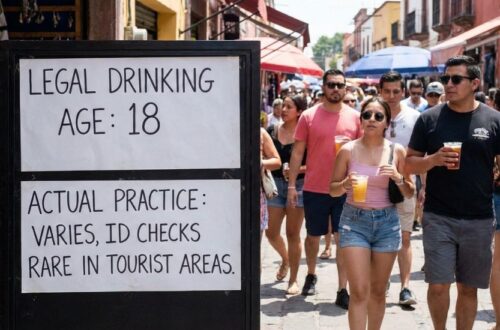
During my stay in France, I found that the legal drinking age is 18 years old. This applies to both buying and consuming alcohol, whether it’s beer, wine, or spirits.
France has always had a relaxed, mature relationship with alcohol. Drinking is seen as part of daily culture, something to be enjoyed, not abused. At restaurants, it’s common to see adults and even young people (above 18) sharing a bottle of wine during lunch or dinner.
Before 2009, the legal age to drink wine and beer was 16, while spirits required you to be 18. However, new regulations standardized everything at 18 to align with broader European Union laws.
When I visited a local bar in Lyon, the bartender told me, “In France, we drink to enjoy flavor, not to get drunk.” That sums up the national mindset — responsible and culturally rich.
Italy Legal Drinking Age and Local Customs
In Italy, the legal drinking age is also 18 years old, similar to France. However, enforcement tends to be more relaxed in small towns and rural areas. Italians have a long-standing tradition of introducing young people to alcohol in a family setting, teaching moderation early on.
Alcohol, especially wine, is deeply integrated into Italian culture. From family dinners to festivals, having a glass of wine is seen as natural. It’s not about restriction; it’s about respect and tradition.
When I visited Rome and Florence, I noticed that wine was treated almost like a meal ingredient rather than a party drink. Supermarkets sell wine affordably, and you’ll find locals enjoying a glass with lunch or dinner, no excess, no rush. However, unlike France, Italy has stricter rules about selling alcohol to minors under 18. Bars, restaurants, and stores must check ID before serving or selling alcoholic beverages.
Comparison Between France and Italy
Here’s a simple comparison of both countries:
Country Legal Drinking Age Cultural Attitude Enforcement Level Popular Drinks
France 18 Elegant, meal-centered drinking Moderate Wine, Champagne, Cognac
Italy 18 Family-oriented, casual enjoyment Moderate to relaxed Wine, Prosecco, Limoncello
Both countries focus on education and moderation rather than punishment. The idea is that alcohol is part of life, not a forbidden temptation — and if you’re comparing drinking laws globally, you may also find it helpful to check how rules differ in places like Canada here: https://stylevarient.com/Legal-Drinking-age-in-Canada/.
Pros and Cons of Alcohol Laws in France and Italy
France Pros:
- Encourages responsible drinking habits from a young age
- Promotes a rich wine culture integrated into meals
- A clear national age limit (18) simplifies enforcement
France Cons:
- Some youth may start drinking informally before the legal age
- Light enforcement may confuse foreign visitors
Italy Pros:
- Strong family influence promotes moderation
- A cultural drinking approach prevents binge behavior
- Excellent quality and affordability of local wines
Italy Cons:
- Enforcement varies by region
- Tourists may find the rules unclear in smaller towns
My Personal Experience
In both countries, I never once saw people treating alcohol recklessly. Whether I was tasting Bordeaux wine in France or sipping Chianti in Italy, drinking felt natural and respectful as an art, not a habit. One evening in Florence, a local winemaker told me, “We teach our children that wine is like food you respect it.” That philosophy perfectly describes both nations’ attitudes toward alcohol.
Travel Tips for Responsible Drinking
- Always carry an ID when purchasing alcohol.
- Avoid drinking in public areas where it’s restricted (especially near monuments).
- Don’t confuse social drinking with overindulgence. Moderation is admired.
- Try local wines; both countries are known for world-class varieties.
- Respect cultural settings like family gatherings and restaurants.
Conclusion
To sum it up, both France and Italy have a legal drinking age of 18. However, their approach to alcohol goes far beyond law; it’s cultural, social, and rooted in centuries-old traditions. In France, drinking symbolizes elegance and taste, while in Italy, it reflects warmth and family connection. If you’re visiting either country, remember: it’s not about how much you drink, but how you appreciate it.