The question, “Do Muslims drink alcohol?” is often raised and commonly misinterpreted. There are certain teachings in Islam regarding alcohol consumption.
However, how these teachings are practiced in their countries of residence varies. The topic of whether an Islamic person drinks alcohol is discussed below. This will include teachings in Islam on the consumption of alcohol.
What does Islam Say Regarding Alcohol?
Alcohol is strictly prohibited for consumption within Islam. This is evident from the Qur’an, which is the holy book of Islam, and the sayings of the Prophet Muhammad (peace be upon him). This is because alcohol causes the mind to become muddled and subsequently induces people into indulging in actions that might prove harmful to themselves and others. In Islam, the mind is considered very important because the more the mind is clear and sound, the better the individual will perform and the actions taken by that individual will prove fruitful.
Why Are Alcoholic Liquids Prohibited in Islam?
The consumption of alcohol is prohibited in Islam because it clouds people’s judgment and awareness. Islam teaches people how to take care of and maintain the purity of one’s mind, body, and soul. Through the consumption of alcohol, people get impaired and do things that will lead to poor judgment, harmful behavior, addiction, and other problems in society. Islam teaches people how to prevent problems before they occur.
WHAT TYPES OF ALCOHOL ARE PROHIBITED
In Islam, any intoxicating substance is prohibited, and it is not limited to wine, beer, or other forms of intoxicants. Liquor, spirits, and all other materials that cause intoxication are considered illegal regardless of the amount. In fact, even a small amount is not recommended since the religion provides that what is illegal in large quantities is also illegal in smaller quantities.
Are All Muslims Required to Obey the Prohibition against Alcohol?
Although consuming alcohol is explicitly prohibited in Islam, not all Muslims observe this principle strictly. As in the case of any other religions, not all Muslims observe their religious teachings strictly. Some Muslims never have anything to do with alcohol, but some have alcohol due to cultural or other reasons. But consuming alcohol remains a sin in Islam, even for those Muslims who have it.
Cultural Variations within Muslim Societies
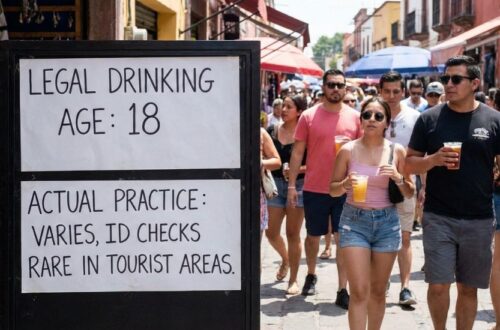
Muslim communities are found all around the world, and different cultures thrive in different regions. In conservative Muslim-majority nations like Saudi Arabia and Afghanistan, alcohol consumption is banned. In liberal and secular Muslim nations such as Turkey, Lebanon, and Indonesia, alcohol could be found in stores and bars despite religious prohibitions against its use.
Alcohol Legislation in Muslim-Majority Countries
In most Muslim-majority states, alcohol is banned or restricted in some way. In some countries, alcohol is available to non-Muslim citizens and tourists only. In Muslim-majority states, the availability of alcohol is strictly regulated. In Muslim minorities settled in Western countries, Muslims are bound by the rules and regulations of those countries, where alcohol is available in abundance.
What if a Muslim Consumes Alcohol?
Drinking alcohol is a sin for Muslims, but it does not cause a Muslim to be exiled from their faith. Muslims believe in forgiveness and repentance. If a Muslim drinks alcohol, he or she can seek forgiveness from God by repenting and altering their ways for the better. Muslims believe in forgiveness and helping themselves and also holding themselves accountable for their actions.
There were several medical
The Islamic stance on alcohol is consistent with current medical findings regarding alcohol. Alcohol is associated with liver illnesses, addictive disorders, mental illnesses, accidents, and other social issues like domestic violence. The religious stance on this matter is regarded as a safety measure that has far-reaching benefits for individuals and society at large.
What Do Muslims Drink Instead?
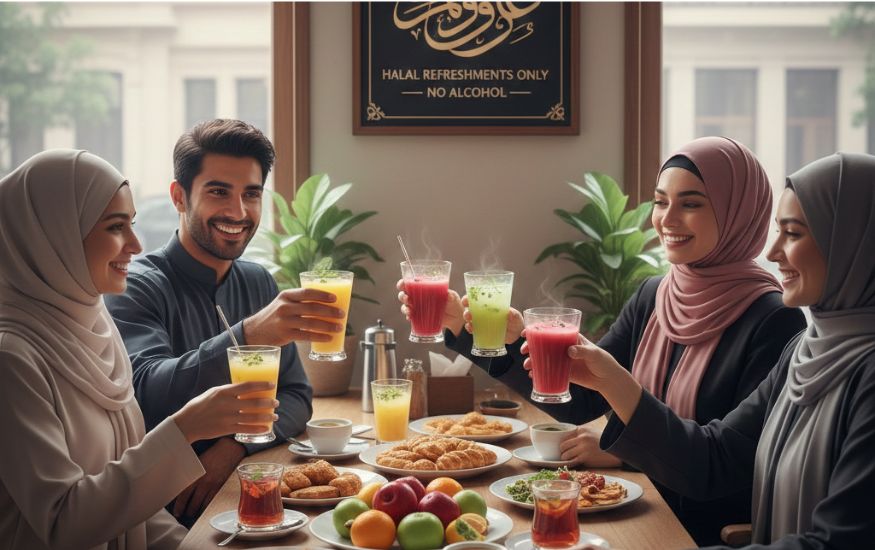
Yes, they often opt for alternatives that don’t contain alcohol. These drinks include fruit juices, mocktails, non-alcoholic beers (which don’t contain any alcohol), tea, coffee, and local drinks. In Muslim cultures, people can be very hospitable through foods and drinks that don’t involve alcohol. Parties among these communities are also very enjoyable.
Alcohol and Social Pressure
In some non-Muslim nations, Muslims may be socially coerced to consume alcohol, particularly in office or social environments. Some believe in refusing the offer in a polite yet explanatory manner, while others might stay away from occasions where alcohol is a major focus. It has become easier to raise awareness about different religious beliefs, making it easier to stick to their own values.
Islamic Stances on Alcohol in Food and Medicine
The use of alcohol in cooking and medicine has long been a topic of debate among Islamic scholars. Alcohol in food is not consumed if intoxication persists, but in some cases, trace amounts are acceptable if the alcohol is completely evaporated during cooking processes. Use of alcohol in medicine is allowed when there are no other options left, and it is medically obligatory to do so.
The Muslim Perception of Drinking Alcohol by Non-Muslims
The consumption of Muslims does not impose their laws on non-Muslims. Muslims are advised to treat others’ religious beliefs and practices highly. Although Muslims are advised against involving themselves in drinking, they are not commanded to blame and criticize non-Muslims for taking alcohol. Respective living is an important element of an Islamic life.
Misconceptions Regarding Muslims and Alcohol
One misconception is that Muslims who drink alcohol will not be Muslim anymore. This is not true. Another misjudgment would be Muslims are not supposed to interact with alcohol in any way such as selling and offering alcohol yet this will depend on their own interpretation.
Modern Era and New Attitudes
Globalization and the blending of cultures have affected the manner by which Muslims comply with the teachings of Islam within the modernized world. Younger generations might view traditions with skepticism or experience identity crises amidst the cultures of the world. Still, they adhere to the teachings of Islam and live respectfully within the modern world.
Personal Choice vs Religious Obligation
Responsibility is a tenet of Islam. Though alcohol consumption is banned, individuals are bearers of their own responsibilities. They are urged to work on their personal development, stay away from harmful practices, and seek forgiveness when they go wrong. Religion promotes rules and understanding.
Conclusion
In conclusion, do Muslims drink alcohol is a question that must be understood through the lens of Islamic teachings and real-world practices. Islam clearly forbids alcohol due to its harmful effects on the mind, body, and society. As a result, most Muslims choose not to drink alcohol. However, individual behavior can vary because of cultural influences or personal choices. To truly understand this topic, it is important to separate the core Islamic belief about alcohol from the actions of individuals, recognizing the difference between religious teachings and human behavior.