Now, let’s talk about damaged hair. Everyone has it, especially girls, and even though no one asked for it, it keeps showing up like an unexpected guest.
Your hair may feel alive and soft one moment, then dry, frizzy, snapping, and acting emotionally detached the next. You are standing there wondering did I overwash it, overwork it, overstyle it, or did it just decide to betray me today. This is that kind of topic where two people could talk nonstop, comparing notes, pointing at split ends, and saying yeah… same.
What damaged hair actually looks like and why it happens
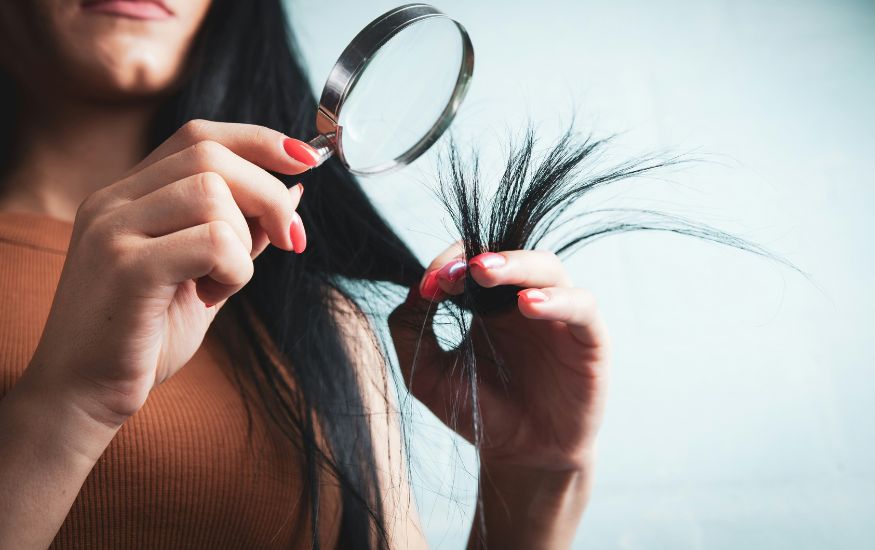
Let’s get straight into it. Damaged hair isn’t just one thing. It shows up as dry hair, constant hair breakage, rough texture, dullness, and those annoying split ends that refuse to disappear. Most of the time it’s caused by heat damage from straighteners and curling wands, chemical damage from coloring or bleaching, overwashing, harsh shampoos, or even brushing like you’re in a rush every single day. Hair doesn’t just wake up damaged. It gets tired. It gets stressed. And once the cuticle is messed up, it starts showing signs fast.
Now here’s where the conversation usually turns into a back and forth. One person says just trim it, the other says no I can fix it. Truth is, both are kinda right.
The heat styling problem nobody wants to admit
Let’s be real for a second. Heat tools are fun. Blowouts are cute. Sleek hair eats every time. But daily heat without protection is basically asking for heat damaged hair. When hair is exposed to high temperatures over and over, the protein structure weakens. That’s when strands feel stretchy, limp, or weirdly crunchy. If your hair doesn’t bounce back after washing, that’s a sign. Using a heat protectant isn’t optional anymore, it’s basic survival for your strands.
Color, bleach, and chemical damage drama
Coloring your hair can be life changing, but chemical damage is also very real. Bleach lifts pigment by breaking down the hair’s structure. That’s why bleached hair often feels dry and fragile. When moisture and protein are stripped out, hair loses strength. This is where bond repair treatments and consistent care matter more than one miracle product. One deep mask won’t undo months of processing. It’s about routine, not rescue missions.
Washing habits that quietly ruin hair
Overwashing is sneaky. Using harsh shampoos every day can strip natural oils, leaving hair dry and weak. On the flip side, never cleansing properly leads to buildup, which blocks moisture. A balanced hair care routine is the real fix. Gentle cleansing, scalp care, and spacing out washes can actually change how damaged hair behaves. It’s boring advice, but it works.
How to actually start repairing damaged hair without losing your mind
Here’s where the conversation usually gets hopeful. Hair repair is possible, just not in a dramatic overnight way. Think slow progress, not instant glow up.
Moisture is non-negotiable
Moisture is your best friend if your hair is damaged. Deep conditioning treatments increase manageability, soften hair, and lessen frizz. Look for components that seal in moisture, such as shea butter, glycerin, aloe, and oils. Once or twice a week, a decent hair mask can revitalize hair, not permanently, but visibly improve its appearance.
Protein and bond repair actually matter
When hair feels mushy or breaks easily, it usually needs protein. This is where bond repair treatments come in. They help reconnect broken bonds inside the hair shaft. The key is balance. Too much protein makes hair stiff, too little makes it weak. Listening to how your hair feels after treatments is part of the process.
Why trims aren’t the enemy for damaged hair
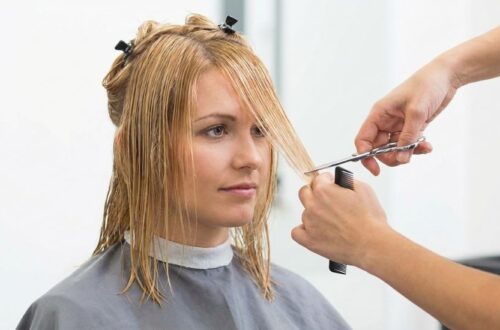
This part always sparks debate. Cutting hair feels scary, but damaged ends don’t magically heal. Trimming split ends prevents damage from traveling upward. Even small trims make a difference. You’re not losing length, you’re saving it.
Daily habits that change everything
Little things matter more than people think. Sleeping on silk or satin, detangling gently, avoiding tight hairstyles, and using leave in treatments consistently all help reduce hair breakage. Healthy hair isn’t about one product. It’s about stacking good habits until your hair stops fighting you.
Preventing future damaged hair because nobody wants to start over
Once hair starts feeling better, prevention becomes the main conversation. Using heat less often, protecting hair from the sun, spacing out chemical services, and sticking to a simple hair care routine keeps damage from coming back. Healthy hair isn’t perfect hair. It’s hair that bends, shines a little, and doesn’t snap the second you touch it.
At the end of the day, damaged hair is common, fixable to a point, and very honest. It reflects everything you’ve put it through. Treat it gently, feed it moisture, respect its limits, and it slowly starts acting right again. Not flawless, not viral, just healthy enough to stop stressing you out. And honestly, that’s the goal.
Conclusion
So honestly, damaged hair is just hair that’s tired. Like genuinely exhausted. It’s been straightened too many times, colored one too many shades lighter, brushed when it was already struggling, washed when it didn’t even ask for that. And then we act shocked when it starts breaking, frizzing, snapping back at us. The fix isn’t dramatic. It’s boring in the best way. Less heat. More moisture. Stop switching products every week. Let your hair breathe a little. Once you stop trying to force it into perfection mode and just take care of it regularly, it starts behaving. Not flawless. Not viral. Just healthy enough to stop ruining your mood every morning. And that’s kinda the dream.
Frequently Asked Questions
Q: Is damaged hair actually fixable or should I just give up
Answer: Don’t give up, but also don’t expect magic. Damaged hair can’t rewind time, but it can get way better. Softer, stronger, less breaky. The truly fried ends need to go eventually, but the rest can absolutely recover with the right care and some patience.
Q: How do I know if my hair is damaged or just having a bad day
Answer: Bad day hair still bounces back. Hair damage doesn’t. If your hair keeps snapping, feels rough no matter what, or looks dull all the time, yeah, that’s damage. Dry hair complains. Damaged hair gives up.
Q: Can heat damaged hair be saved without cutting it
Answer: Light heat damage can calm down if you stop roasting your hair daily and start using protection. But if your curls disappeared or your hair feels cooked even when wet, trimming is the reality check nobody wants but everybody needs.
Q: How often should I deep condition damaged hair
Answer: One or two times a week is usually enough. Deep conditioning is great, but more isn’t always better. If your hair starts feeling heavy or weirdly limp, pull back a bit. Balance over chaos.
Q: Do bond repair treatments actually work
Answer: Yeah, they do help, especially if your hair breaks easily or feels weak. Bond repair strengthens the inside of the hair, not just the surface. Just don’t stack ten treatments at once and expect miracles. Consistency wins.
Q: Why does my hair keep breaking even though I’m using good products
Answer: Because products can’t fight bad habits. Rough brushing, tight styles, zero hair protection, sleeping on cotton, all of that adds up. Hair breakage is usually a routine issue, not a product issue.
Q: Are trims really necessary for damaged hair
Answer: Yes. Always yes. Split ends don’t heal, they spread. Holding onto them just makes everything worse. Cutting a little now saves you from cutting a lot later. It hurts emotionally but helps physically.
Q: How long does it take to see improvement in damaged hair
Answer: You’ll notice small changes in a few weeks if you’re consistent. Real improvement takes months. Hair moves slow and does not care about your impatience. One day you’ll just realize your hair isn’t stressing you out anymore. That’s the moment.