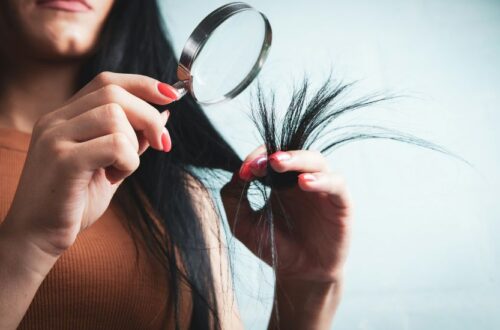

Okay, so real talk for a second. Everyone throws around the word hair damage like it’s obvious, but half the time you’re just staring at your hair wondering how to know if your hair is damaged or just having a bad week.
One person says it’s frizz. Another says it’s dryness. Someone else says just oil it and move on. And you’re stuck thinking, how to actually know if your hair is damaged or just dramatic today. That is exactly where this starts. No panic. No overthinking. Just clear signs, casual checks, and realistic fixes that actually make sense in 2026 hair care life—because knowing how to know if your hair is damaged is the first step to treating it right.
Signs Your Hair Is Actually Damaged Not Just Moody
Here is the thing. When damaged hair shows up, it does not whisper. It is loud but in sneaky ways. You brush and it snaps way too easily. You wash and it still feels rough instead of soft. You condition and somehow it looks the same. That brittle feeling, the constant split ends, the way your hair refuses to hold moisture, all big signs of hair breakage and dry damaged hair. If your strands stretch and do not bounce back, that is weak hair structure. If shine disappeared even after using oils and masks, that is cuticle damage. Heat styling, chemical treatments, hair coloring, even aggressive brushing all add up. And yeah sometimes it is not one big mistake but years of small ones stacking quietly.
What helps is switching from random products to actual hair repair habits. Less heat. More deep conditioning. Protein when hair feels mushy. Moisture when it feels stiff. Hair damage treatment is not about buying the most expensive bottle. It is about reading what your hair is screaming every wash day and responding properly. Damaged hair does not need punishment. It needs consistency and patience.
Easy Ways to Test Your Hair at Home Without Overthinking It
This is where things get low effort but very telling. You do not need a salon visit or a dramatic diagnosis. Your hair already gives clues every single day. You just have to actually notice them instead of gaslighting yourself into thinking it is fine.
The Stretch Test Situation
This one is weirdly accurate and takes like five seconds
- Grab one wet strand and gently pull it
- If it stretches a bit and snaps right away, that is hair damage and weak elasticity
- If it stretches forever and feels gummy, that is moisture overload and still a form of damaged hair
- Healthy hair stretches slightly and bounces back like it has some self respect
This test is huge for spotting heat damaged hair and chemically damaged hair early before breakage gets wild.
The Texture Check That Never Lies
Run your fingers down a strand slowly like you are inspecting it
- If it feels rough, bumpy, or uneven, the cuticle is lifted
- That rough feeling usually means dry damaged hair or product overuse
- Smooth hair usually means the cuticle is still intact and behaving
If your hair feels like straw no matter what conditioner you use, yeah that is not just a bad shampoo day.
The Shed vs Breakage Reality Check
People mix this up all the time and it matters
- Long strands with a tiny white bulb at the end are shedding, totally normal
- Short broken pieces everywhere mean hair breakage and structural damage
- Breakage usually comes from heat tools, tight hairstyles, or rough detangling
If your sink and floor are full of tiny broken hairs, your hair is asking for repair not another styling product.
The Water Test Everyone Lowkey Ignores
Drop a clean strand into a bowl of water
- If it sinks fast, the hair is overly porous and damaged
- If it floats forever, it is struggling to absorb moisture
- Balanced hair sits somewhere in between and does not act extreme
High porosity is super common with color damaged hair and bleached strands, and it changes how your hair repair routine should look.
The Styling Reality Moment
Pay attention to how your hair behaves when you style it
- Curls falling flat instantly usually means damaged structure
- Hair that will not hold any style is often overprocessed
- Excessive frizz even in humidity-controlled spaces is another red flag
When hair stops cooperating completely, it is not being difficult. It is damaged and tired.
Once you notice these signs, fixing damaged hair becomes way easier because you stop guessing. You stop throwing random products at it. You actually treat the problem instead of hoping it magically disappears.
Conclusion
So yeah, knowing how to know if your hair is damaged is honestly less about memorizing rules and more about paying attention without being dramatic about it. Your hair tells you everything. The dryness, the breakage, the weird texture, the way it reacts to water and heat. None of that is random. Once you clock the signs of damaged hair, everything shifts. You stop blaming products for no reason. You stop over styling. You start building an actual hair repair routine that makes sense for your hair type. And no, damaged hair does not need a full meltdown or a buzz cut. It just needs consistency, gentler habits, and a little patience. Hair recovery is slow but very real if you stop fighting your hair and start working with it.
Frequently Asked Questions
Q: How can I tell if my hair is damaged or just dry
Answer: Dry hair feels thirsty but still flexible. Damaged hair feels rough, snaps easily, and refuses to improve even after conditioning. If moisture does nothing, damage is probably involved.
Q: Can damaged hair be fully repaired
Answer:Structural damage cannot be reversed, but hair damage treatment can improve strength, softness, and appearance a lot. Trimming, deep conditioning, and protein balance do most of the heavy lifting.
Q: Is heat styling always bad for hair
Answer: Heat itself is not evil, but daily heat without protection leads straight to heat damaged hair. Heat protectant and lower temperatures make a big difference.
Q: How long does it take to fix damaged hair
Answer: Small improvements show in weeks. Real hair repair takes months of consistent care, gentle styling, and fewer chemical treatments.
Q: Does frizz always mean my hair is damaged
Answer: Not always. Frizz can come from humidity or dryness. But constant frizz with breakage and rough texture usually points to dry damaged hair.