Many people ask, is the drinking age 18 anywhere in the United States? This question often comes up among travelers, students, and young adults who notice different age limits in other countries.
While the U.S. has a national standard, some exceptions and misconceptions cause confusion. This guide explains the law, state rules, special exceptions, and what is actually legal.
What Is the Legal Drinking Age in the United States?
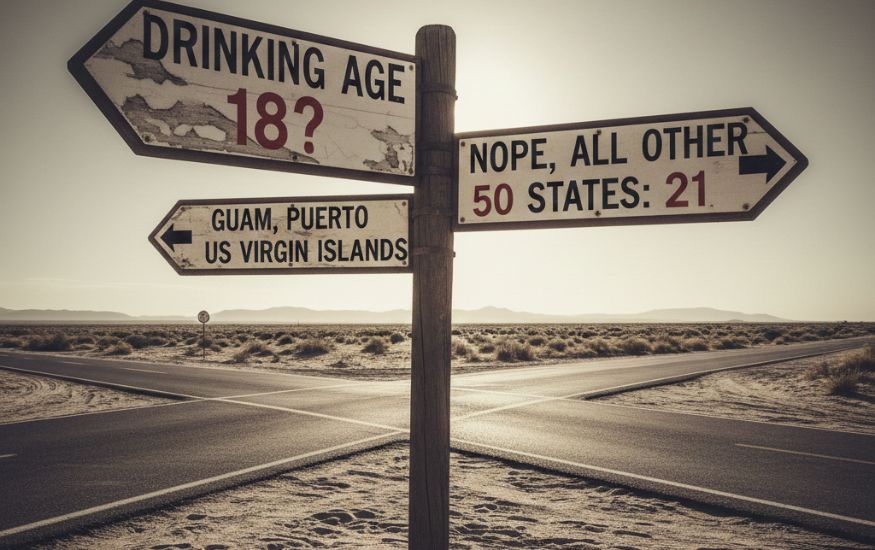
The legal drinking age in the United States is 21 years old in all 50 states, Washington, D.C., and U.S. territories. This age applies to purchasing, possessing, and publicly consuming alcoholic beverages. Although some people believe this is not true for general public alcohol consumption. The age limit was standardized due to federal legislation, not individual state choice. Every state enforces 21 as the minimum legal drinking age to avoid losing federal highway funding.
Why Is the Drinking Age 21 in the U.S.?
The drinking age became 21 nationwide after the National Minimum Drinking Age Act of 1984. This federal law required states to raise their minimum drinking age to 21 or risk losing a portion of their federal highway funds. At the time, many states allowed alcohol consumption at 18, 19, or 20. However, concerns over drunk driving accidents, especially among young adults, pushed the government to standardize the age. Since the law’s enforcement, alcohol-related traffic fatalities among teens and young adults have significantly declined.
Confusion around U.S. alcohol laws often comes from comparisons with other destinations. For example, many travelers mistakenly believe the legal age is lower in certain U.S. territories, which is explained in detail in this guide on why the drinking age is believed to be 18 in Puerto Rico.
Is the Drinking Age 18 in Any U.S. State?
No, the drinking age is not 18 in any U.S. state for purchasing or public consumption of alcohol. Every state follows the federal requirement of 21. There are no legal loopholes allowing 18-year-olds to walk into a bar or liquor store and drink legally. Even states with a reputation for being lenient still enforce the age limit. Any claims suggesting otherwise are outdated or incorrect.
Are There Any Exceptions to the Drinking Age Law?
Yes, while the minimum age is 21, many states allow limited exceptions under specific circumstances. These exceptions do not mean open public drinking is allowed at 18. Some states permit alcohol consumption by minors in private settings, such as at home, when supervised by a parent or legal guardian. Others allow alcohol use for religious ceremonies, medical reasons, or educational purposes like culinary programs. These exceptions vary by state and are tightly regulated.
Can You Drink Under 21 with Parental Permission?
In some states, minors may legally consume alcohol on private property with parental consent. This usually applies to family homes and not public places. Parents must be present, and alcohol cannot be sold or distributed commercially. However, many states still prohibit any underage drinking regardless of parental permission. It’s important to check local laws because violations can result in fines or legal consequences for both parents and minors.
Does Military Service Lower the Drinking Age?
A common myth is that active military service allows drinking under 21. In reality, being in the military does not lower the drinking age. Service members must still follow state alcohol laws. Some military bases previously allowed underage drinking in specific circumstances, but most have ended these policies. Off-base establishments always enforce the legal drinking age of 21, regardless of military status.
Is the Drinking Age Different in U.S. Territories?
U.S. territories such as Puerto Rico, Guam, and the U.S. Virgin Islands also enforce a legal drinking age of 21. Even though these areas have distinct cultures and local governments, they follow federal alcohol regulations. Visitors sometimes assume the age limit is lower due to island or tourist environments, but ID checks remain common and enforcement is strict, especially in bars and clubs.
Why Is the U.S. Drinking Age Higher Than Other Countries?
Many countries allow alcohol consumption at 18 or younger, which often creates confusion for international travelers and American teens. The United States prioritizes public safety and road accident prevention, which strongly influenced its higher age limit. Cultural differences, legal structures, and historical data all played a role in shaping U.S. alcohol policy.
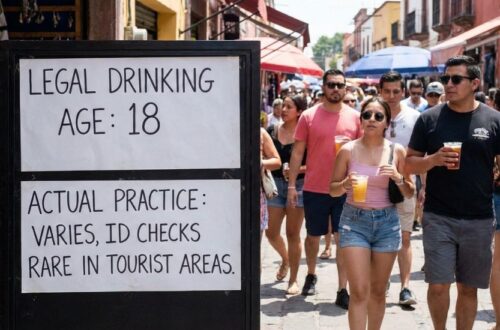
This contrast becomes clearer when comparing the U.S. with nearby countries. For example, this guide explains what the drinking age is in Mexico, where the legal age is lower, highlighting how different countries balance legal access with cultural norms. While critics argue that 18-year-olds can vote or join the military, supporters of the U.S. law emphasize reduced fatalities and long-term public health benefits.
What Happens If You Drink Under 21 in the U.S.?
Underage drinking can result in serious consequences. Penalties may include fines, community service, alcohol education programs, license suspension, or even jail time in extreme cases. Establishments that serve minors face heavy fines and possible license revocation. Law enforcement agencies actively enforce these laws, especially near colleges, events, and nightlife districts.
Are Fake IDs Common and Legal?
Using a fake ID is illegal everywhere in the United States. Possession or use of fake identification can lead to criminal charges, fines, and permanent records. Many bars and retailers use advanced scanning systems to detect fake IDs. Getting caught can also result in being banned from venues or facing additional legal trouble.
Could the Drinking Age Ever Change to 18?
There is ongoing debate about lowering the drinking age, but no state currently plans to do so. Any change would require federal action or acceptance of reduced highway funding, which states are unlikely to risk. Public opinion remains divided, but safety data continues to support maintaining the age at 21.
What Age Can You Drink Alcohol Privately?
Private consumption laws vary. Some states allow minors to drink at home under supervision, while others strictly prohibit it. Even in states that allow private consumption, public intoxication laws still apply. Parents should understand their state’s regulations before allowing alcohol use.
Conclusion
So, is the drinking age 18 anywhere in the United States? The answer is no. The legal drinking age is 21 nationwide, with only limited exceptions in private or supervised settings. While myths persist, federal law ensures consistency across all states and territories. Understanding these rules helps prevent legal trouble and promotes responsible behavior.