When I first planned my trip to Germany, the question that kept running through my mind was: how much does it cost to go to Germany? Like most people, I wanted to explore the culture, food, and history without overspending. With so much online information, it was hard to separate realistic costs from promotional fluff.
After weeks of research, I finally booked my flight with Frontier Airlines and hotels through a trusted travel platform that compared different airlines and accommodations. I had checked guides which gave me an estimate of daily expenses. That gave me confidence in finalizing my trip.
Why I Booked My Trip This Way
I decided to purchase everything online, including flights, hotels, and even some train tickets, because the prices were far more transparent compared to local agencies. The online sites gave me flexibility to choose dates and compare prices, something traditional travel agents rarely offer. It also made planning travel without a passport easier, as I could organize everything in advance and ensure all documents were ready.
The reason I chose this package was simple: I wanted to know upfront how much money I needed to go to Germany without facing hidden costs once I landed. The website included estimated city taxes, hotel fees, and even optional add-ons like guided tours. This helped me budget correctly.
Why I Decided to Travel to Germany
Germany has always been on my list, not only for its history but also for its culture. I wanted to see Berlin’s iconic Brandenburg Gate, Munich’s beer gardens, and the fairy-tale castles in Bavaria. But I wasn’t sure if 7 days were enough for Germany to cover everything. That’s why I decided on a 10-day trip to balance sightseeing and relaxation.
The main reason behind buying this trip was affordability. Compared to Switzerland or Norway, Germany offered a mix of modern cities, historic sites, and scenic countryside at relatively lower costs.
My Travel Story: From Booking to Exploring
Booking my ticket from New York to Frankfurt cost me around $720 round-trip. I stayed in 3-star hotels in Berlin, Munich, and Frankfurt that cost between $80–$120 per night. For food, I spent around $25–$40 per day, mixing street food (bratwurst, pretzels) with restaurant meals. Transportation was another highlight. I purchased a German Rail Pass, which cost around $200 for unlimited 7-day use.
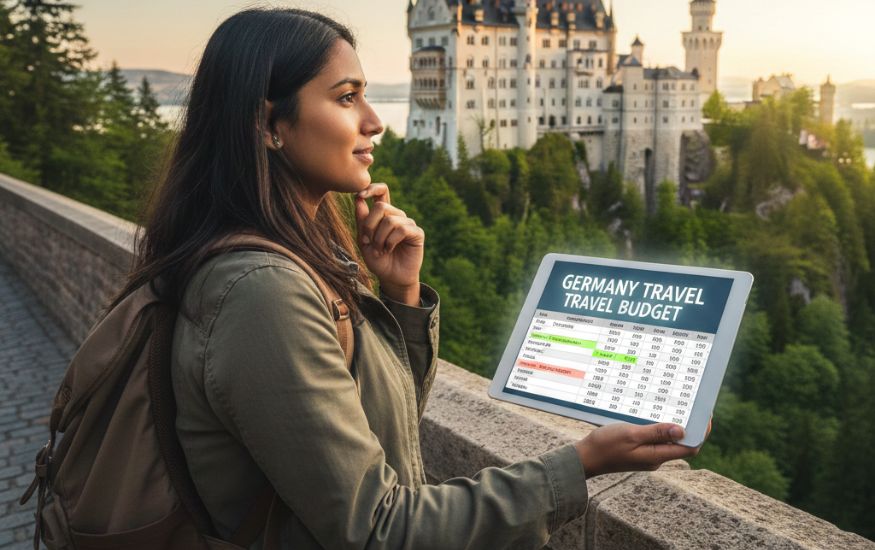
Here’s a breakdown of my Germany trip cost for 10 days:
- Flights: $720
- Hotels: $900 (10 nights in mid-range hotels)
- Food: $350
- Transportation: $200 (rail pass + local buses/metro)
- Attractions/Tours: $250 (Neuschwanstein Castle, Berlin museums, Oktoberfest ticket)
Total: ~$2,420 as a solo traveler.
This matched closely with estimates I had read on a travel cost guide, which reassured me that I was budgeting correctly.
The Pros and Cons of My Travel Package
Every purchase has its highs and lows, and my Germany trip was no exception.
Pros:
- Affordable trip for Europe: Compared to France or Switzerland, Germany was budget-friendly.
- Efficient Transport: Trains and buses were reliable and saved time.
- Rich Culture: Museums, castles, and festivals offered an incredible variety.
- Food Options: Street food was cheap yet delicious.
Cons:
- Hidden Costs: City taxes on hotels added unexpected expenses.
- Peak Season Prices: Oktoberfest in Munich doubled hotel rates.
- Language Barrier: In smaller towns, English wasn’t common.
- Busy Itinerary: Even with 10 days, I felt rushed.
Despite the cons, the trip was worth every dollar spent.
Research: How Much Does a Germany Trip Cost?
Through detailed research and personal experience, I realized that how much a German trip costs depends on your travel style.
- Backpackers can get by on $60–$80 per day, staying in hostels and eating street food.
- Mid-range travelers like me should budget $150–$200 per day, covering hotels, food, and attractions.
- Luxury travelers can easily spend $400+ per day in upscale hotels and restaurants.
Flights from the U.S. range between $600–$1,000, depending on the season. The budget-friendly months are May–June and September, while December (Christmas markets) and September–October (Oktoberfest) tend to be the most expensive.
Is 7 Days Enough for Germany?
During my trip, I realized that while 7 days is enough for Germany to see one or two cities, it doesn’t do justice to the country. Within 7 days, you could see Berlin, Munich, or Hamburg, but combining all three would feel rushed.
My 10-day trip gave me time to explore:
- Berlin – Brandenburg Gate, East Side Gallery, Reichstag.
- München – Marienplatz, Hofbräuhaus, Day Trip to Neuschwanstein Castle.
- Frankfurt – Old Town, riverfront, and museums.
So if you only have 7 days, I’d recommend focusing on one city and its nearby attractions.
My Feedback After the Trip
Looking back, my purchase was worth it. The package gave me clarity about costs, minimized last-minute surprises, and made my trip stress-free.
Would I recommend it? Yes. If you want to know how much money I need to go to Germany, plan around $2,000–$2,500 for a solo traveler for 7–10 days. Families should budget around $6,000–$8,000.
Germany is one of those places where you get excellent value for your money. It’s modern yet traditional, affordable yet rich in experiences.
Conclusion
So, how much does it cost to go to Germany? Based on my personal experience, around $2,400 for a 10-day solo trip, or $2,000 for a 7-day trip if you’re careful with spending. Flights, hotels, and food are reasonably priced compared to other European countries, but peak seasons can raise costs significantly.
FAQs
Q1: How much money do I need to go to Germany?
For a solo traveler, budget around $2,000–$2,500 for a 7–10 day trip. Families should plan $6,000–$8,000, depending on the cities visited.
Q2: How much does a trip cost for 7 days?
A 7-day trip can cost around $1,800–$2,000 if you stick to mid-range hotels and public transport.
Q3: Is 7 days enough for Germany?
Yes, but only to explore one or two major cities. For a fuller experience, including Berlin, Munich, and Frankfurt, 10–12 days is ideal.