If you are searching for hot springs in Georgia, there is one place that should be at the top of your list: Warm Springs in Meriwether County. Located approximately 75–90 miles southwest of Atlanta, depending on the route, this small town is known for its naturally warm spring water and its connection to President Franklin D. Roosevelt.
The spring water flows from Pine Mountain at about 88°F (31°C), making it warm rather than extremely hot like some famous geothermal springs elsewhere in the United States.
Warm Springs is more than a place to see naturally heated water. The area has a fascinating history, quiet countryside, historic buildings, and the famous Roosevelt’s Little White House. The restored historic pools also offer visitors a chance to see the setting where Roosevelt sought relief from the effects of polio.
One important point for travelers is that the springs are not a conventional public swimming destination. The National Park Service states that the warm springs are not available for general public swimming, although the spring water continues to feed therapeutic pools at the nearby Roosevelt Warm Springs Institute.
Where Can You Find Hot Springs in Georgia?
The best known warm springs in Georgia are in Warm Springs, Meriwether County, in the western part of the state. The town is approximately 75–90 miles southwest of Atlanta, depending on the route, making it a manageable day trip from the metropolitan area.
The springs are associated with Pine Mountain, a ridge that runs through the region. Water naturally emerges from the area at a temperature of approximately 88°F year-round. The steady flow and naturally warm temperature helped establish Warm Springs as a resort destination long before Roosevelt arrived.
Today, the area is best understood as a historic warm-springs destination rather than a collection of commercial hot-spring resorts. Travelers should therefore plan to combine the springs with the town’s historical attractions and outdoor activities.
Warm Springs: Famous Hot Springs in Georgia
The story of Warm Springs is closely connected to Franklin D. Roosevelt. Roosevelt first visited the area in 1924, several years after being diagnosed with polio. He hoped the buoyant warm water would help him regain strength and mobility. Although the springs did not cure his condition, he found the water and physical therapy helpful enough to return repeatedly.
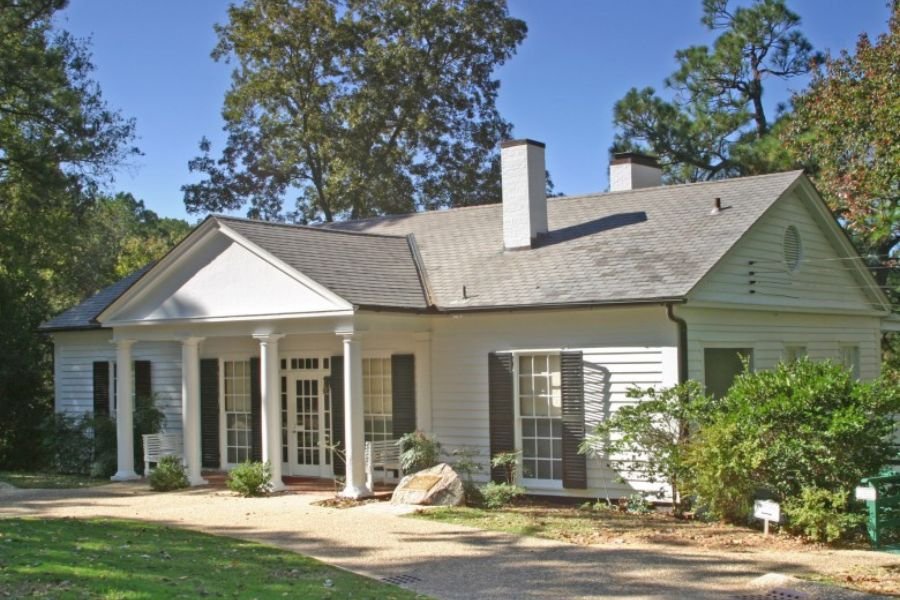
Roosevelt eventually built a home in Warm Springs in 1932. It became known as the Little White House, and he used it as a retreat during his presidency. He continued visiting the community until his death in 1945.
The springs also played an important role in the development of the Warm Springs Foundation and Roosevelt’s wider work supporting people affected by polio. Their history is therefore an important part of both Georgia history and the history of disability rehabilitation in the United States.
How Warm Is the Water?
The spring water is approximately 88°F (31°C). That temperature is comfortable and noticeably warmer than many natural bodies of water, but it is not the extremely hot water associated with some geothermal springs.
The water’s buoyancy was particularly significant to Roosevelt and others undergoing physical rehabilitation.
Historically, patients could exercise in the water with less strain on their bodies.
Can You Swim in Hot Springs in Georgia?
This is one of the most important things to know before planning a trip.
Although Warm Springs has historic swimming pools fed by the natural spring, travelers should not assume they can arrive and swim in the water like they would at a public hot spring resort. The National Park Service states that the warm springs are no longer available to the general public for swimming. The spring water continues to feed therapeutic pools at the Roosevelt Warm Springs Institute.
The historic pools have undergone a major restoration. In August 2025, Georgia State Parks announced that the nearly century-old pools had been restored. In May 2026, the Georgia Department of Natural Resources reported that visitors could once again tour the historic pools, which had been refilled with the natural 88-degree spring water.
For visitors, this means the experience is primarily historical and educational rather than a public hot-spring bathing experience. Always check the latest information from Georgia State Parks before your trip if swimming or pool access is an important part of your plans.
Best Things to Do Near Hot Springs in Georgia
A visit to Warm Springs is worth planning as more than a quick stop at the spring. Several attractions nearby can easily turn it into a full-day outing.
Visit Roosevelt’s Little White House
Roosevelt’s Little White House is the area’s most important attraction. The National Historic Landmark has been preserved much as it was when Roosevelt lived there.
Visitors can see the house, museum exhibits, memorial features, and items connected with Roosevelt’s life. The site includes his 1938 Ford convertible with hand controls, the famous unfinished portrait, historical exhibits, and other artifacts.
The Little White House is located at 401 Little White House Road in Warm Springs. Georgia’s official tourism listing currently gives regular daily visiting hours, although travelers should check before arriving because schedules can change.
See the Historic Warm Springs Pools
The restored pools are one of the most interesting parts of the Warm Springs story. They were central to Roosevelt’s rehabilitation efforts and are closely associated with the development of the site as a treatment center.
The 2026 restoration recognition from the Georgia Department of Natural Resources notes that the project repaired the historic pool structures and restored the natural spring-water system that feeds them.
Even if you cannot use the pools for recreational swimming, seeing them helps explain why people were drawn to Warm Springs for generations.
Explore Downtown Warm Springs
Warm Springs has a small-town atmosphere with historic buildings, local shops, restaurants, and quiet streets. The town’s tourism office describes its restored buildings and Main Street as part of the area’s appeal.
Allow some time to walk through the town rather than spending the entire visit at the historic site. It is an easy way to make your trip feel less rushed.
Visit the Local Museums and Memorials
The Warm Springs area contains several exhibits connected with Roosevelt and the history of the community. The Little White House site includes a museum and memorial features such as the Walk of States and Memorial Fountain.
For anyone interested in American history, the museums provide useful context about Roosevelt’s relationship with Warm Springs and the role the community played in his life.
Enjoy the Outdoors
Warm Springs is surrounded by rolling countryside and sits close to Pine Mountain. Outdoor activities in the wider area include birding, picnicking, scenic driving and exploring nearby attractions.
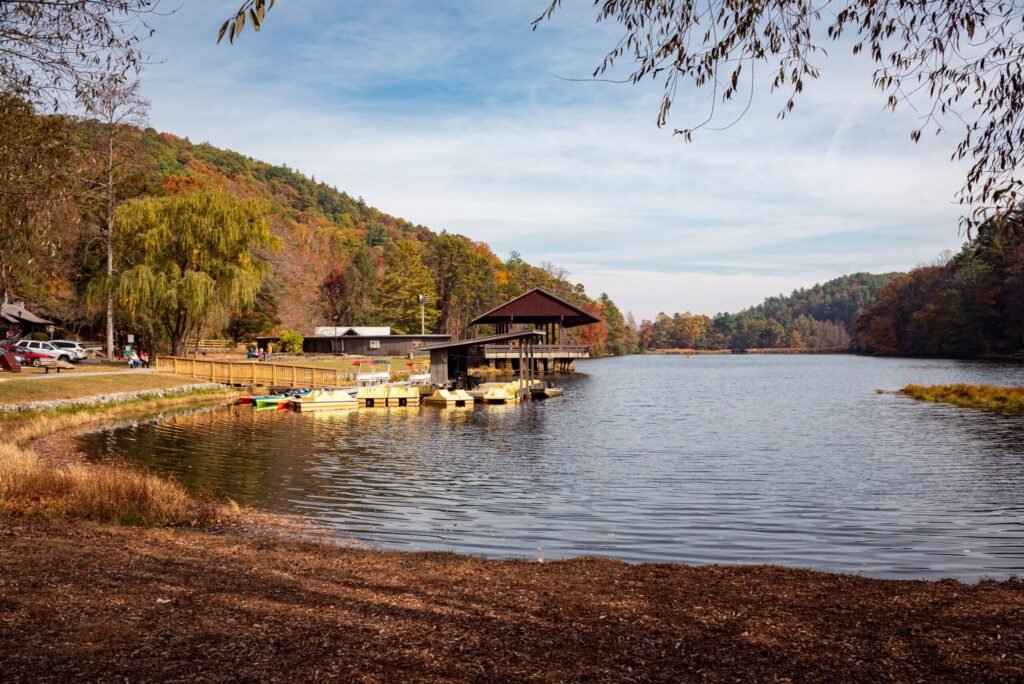
Georgia’s tourism authority also highlights the Meriwether-Pike Scenic Byway and Chattahoochee Flint Heritage Highway as routes associated with the Warm Springs area.
If you enjoy exploring natural landscapes and outdoor destinations, you may also like visiting Guadalupe Mountains National Park in Texas for its scenic hiking trails and mountain views.
Best Time to Visit Warm Springs, Georgia
Warm Springs can be visited throughout the year because the spring water remains naturally warm year-round. However, spring and fall are particularly pleasant for exploring the area, especially if you want to spend time outdoors.
Spring brings comfortable temperatures and greenery, while fall is a good choice for scenic drives and walking around the historic town. Georgia tourism information also identifies spring and fall as especially enjoyable seasons for exploring Warm Springs
Summer can be hot and humid, so visitors planning outdoor activities should schedule walks for the morning or later in the afternoon. Winter is generally quieter and can be a good choice for travelers who prefer fewer visitors.
If the main purpose of your trip is the historic site, check its current hours before setting out.
Travel Tips for Visiting Hot Springs in Georgia
Do Not Assume the Springs Are a Public
Swimming Hole
This is the most important planning tip. Warm Springs is famous for its water, but the natural springs are not simply an open public swimming area. Check current access information before bringing your swimsuit with the expectation of swimming.
Give Yourself Several Hours
A short stop may be enough to see the town, but several hours will give you time for the Little White House, museums, historic pools and downtown Warm Springs.
Wear Comfortable Shoes
The historic site includes several areas to explore, and you may also want to walk around town. Comfortable shoes are useful, particularly if you plan to combine history with outdoor activities.
Check Opening Hours Before You Leave
Opening hours, tours and access arrangements can change. Georgia State Parks currently lists the Little White House as open daily, but travelers should verify the latest information before making a long drive.
Bring Water and Sun Protection
Georgia’s weather can become hot, especially in summer. If you plan to spend time outdoors, carry drinking water and use appropriate sun protection.
Is Warm Springs Worth Visiting?
Warm Springs is particularly appealing if you enjoy history, small towns and unusual destinations. The springs themselves are interesting, but their historical connection to Franklin D. Roosevelt is what makes the place distinctive.
The town also works well as a day trip from Atlanta. You can visit the Little White House, learn about Roosevelt’s rehabilitation efforts, see the restored historic pools, explore downtown and enjoy the surrounding countryside in one trip.
If your idea of a hot-spring vacation involves spending hours soaking in a natural pool, however, Warm Springs may not match that expectation because general public swimming in the springs is not available. Travelers looking specifically for a public soaking experience may need to consider destinations outside Georgia.
Frequently Asked Questions
Are there hot springs in Georgia?
Yes. Georgia has naturally warm and mineral springs, with Warm Springs in Meriwether County being the state’s best-known warm-spring destination. Its water emerges at approximately 88°F and has a long history connected with Franklin D. Roosevelt.
Can you swim in the hot springs in Warm Springs, Georgia?
The natural warm springs are not available for general public swimming. Visitors can, however, learn about the springs and see the historic pools associated with Roosevelt’s rehabilitation. The restored pools were reopened for visitor tours in connection with the historic site.
How hot are the Warm Springs in Georgia?
The water is approximately 88°F, or 31°C. This makes it warm and comfortable rather than extremely hot.
What is Warm Springs, Georgia, famous for?
Warm Springs is best known for its naturally warm spring water and its connection with Franklin D. Roosevelt. Roosevelt first visited in 1924 and later built the Little White House there.
How far is Warm Springs from Atlanta?
Warm Springs is approximately an hour’s drive south of Atlanta, although the exact travel time depends on traffic and your starting point.
What else can you do in Warm Springs?
Besides learning about the springs, visitors can tour Roosevelt’s Little White House, explore museums and memorials, walk around the historic town, enjoy local restaurants and shops, and explore scenic roads and outdoor attractions in the surrounding area.
Featured image: Franklin D. Roosevelt’s Little White House. Photo by Lauren Taylor via Wikimedia Commons, licensed under CC BY-SA 4.0. Cropped from the original.